
Cooking Oils
Pure by nature, perfect by choice.
Cooking oils behave differently on the stove, so the right choice depends on the method. Wood pressed groundnut oil has a high smoke point for deep frying, coconut oil for cooking suits curries and everyday sautéing, and gingelly oil is best for tempering and finishing. All three are cold pressed, with no chemical refining.
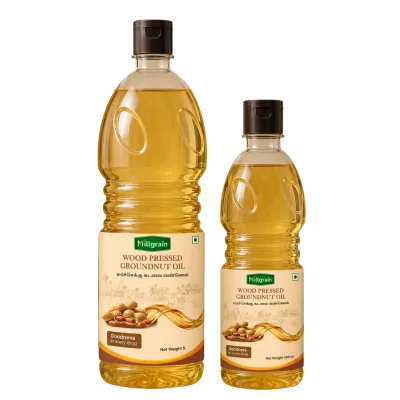
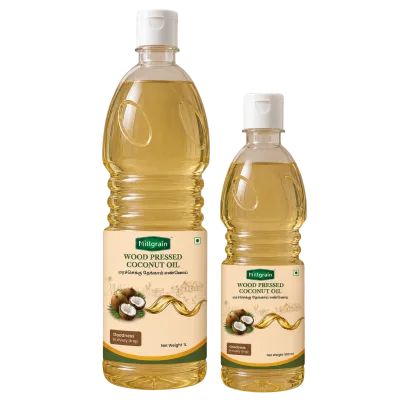
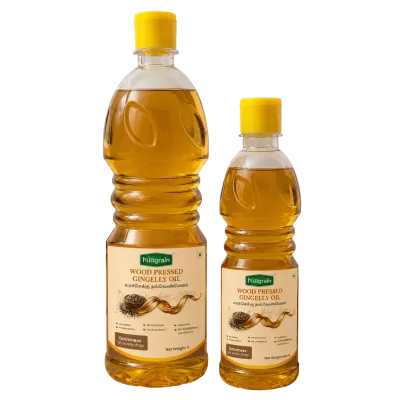
Cooking oils differ in smoke point and flavour, which is why we keep three cold pressed oils instead of one all-purpose bottle, all part of our wider Pure Organic foods range and inside our cold pressed oils collection. Cold pressing yields less oil per batch than heat and solvent refining, so the price sits above a supermarket refined oil.
- For frying, wood pressed groundnut oil has a high smoke point of about 230°C which makes it the oil for deep frying pooris and pakoras. Coconut oil also holds up under sustained heat.
- For tempering and finishing, gingelly oil has a lower smoke point, so keep it for mustard seeds, curry leaves and a pour over rice or podi. For everyday curries and avial, reach for coconut oil for cooking.
- Keep every bottle in a cool, dark place away from the stove, and use it within 3 to 4 months of opening. Coconut oil may solidify below about 24°C and turns liquid again when warmed.
For everyday South Indian cooking, see our edible coconut oil page.
Cooking Oils — FAQ
Which cooking oil is best for deep frying?
Wood pressed groundnut oil, which has a high smoke point of about 230°C and is one of the best oils for high heat. Coconut oil also holds up under sustained heat. Our guide to cold pressed groundnut oil benefits explains why it beats refined oil.
Which cooking oil is best for Indian cooking?
There is no single best oil for Indian cooking. Coconut oil suits South Indian and coastal curries and avial, groundnut oil suits frying and everyday cooking, and gingelly oil suits tempering and finishing. Many households rotate between them through the week.
Which oil should I use for tempering, and for dosa?
Gingelly oil is the traditional choice for tempering mustard seeds and curry leaves, and a classic dosa breakfast is served with podi and cold pressed gingelly oil. Our nallennai page covers it in detail.
How is gingelly oil different from groundnut oil?
Gingelly oil is pressed from raw sesame seeds and has a moderate smoke point, so it suits tempering and finishing. Groundnut oil has a bold, nutty flavour and a high smoke point, so it suits deep frying and everyday cooking.
How long do cold pressed cooking oils last?
They have no preservatives and keep a shorter life than refined oils. Use them within 3 to 4 months of opening, and keep them away from sunlight and stove heat. Unopened wood pressed groundnut oil stays fresh for up to 6 months when stored cool and dry.